Featured
7 Things Every New Resident Should Know About Living In A Secure Estate.
.webp?alt=media&token=9047ba23-39a6-49c5-b542-f69dea672008)
Praise Ohans
2025/09/10
Introduction
Moving into a secure estate often feels like crossing a line between chaos and calm; it is like a tale of two different worlds. I have such a vivid memory of spending my holiday with my uncle in an estate for the first time. The whole atmosphere felt brand new and so different from what I knew. Outside, traffic blared, strangers moved in and out of sight, and everything felt a bit unpredictable. Inside the gates, though, there was structure. I noticed the guards at their posts, the trimmed lawns, the controlled entrances. The whole ambience painted a mental picture of peace and serenity. Growing up, I got to understand the catch: an estate doesn’t automatically guarantee peace of mind. It only works when the people who live there understand their role in keeping that balance alive.
Living in a secure estate is a mix of safety, community, and responsibility. Safety because of the obvious walls, cameras, patrols. Community because neighbors are part of the security chain, watching out for each other in the little ways they can. And responsibility because security is a habit everyone in the estate has to maintain.
This guide lays out six key things every new resident should know about estate living. Think of it less as a rulebook and more as a survival kit.

1. Embrace a Culture of Security
The strength of an estate goes beyond its physical features. You can build walls high enough to rival the tower of babel, but if the people inside act carelessly, those walls won’t count for much. Security starts with people; residents, staff, management, deciding together that vigilance is of the utmost priority.
As a new resident, your behavior sets the tone. Follow visitor protocols, even when they seem unnecessary. Report unusual activity instead of assuming someone else will handle it. These small choices go far in shaping up the security culture of an estate.
Leading by example is as simple as greeting the security team respectfully, complying with checks, and encouraging family members to do the same. Over time, when enough residents treat these routines seriously, the estate develops into one big family. Suspicious activity gets spotted earlier. Rules stop feeling like inconveniences and start feeling like a shared responsibility.
And that’s really the point: Without a culture of security in an estate, even the most advanced systems lose their edge.
2. Understand Access Control Systems
According to the SANS Access Management Survey, about 60% of organizations have experienced unauthorized physical entry, and 34% of companies report breaches resulting from unauthorized access to sensitive corporate information. This only buttresses the fact that secure estate lives or dies by its entry and exit points. This is why modern estates place so much emphasis on controlled access points, which is the estate’s first and strongest line of defense. Trained guards, visitor logs, electronic passes, or mobile access apps all work together to filter who comes in and who leaves. By reducing that flow to only residents, guests, and authorized staff, the estate drastically lowers the odds of criminal activity slipping through unnoticed.
But here’s where residents often miss the mark: the system isn’t foolproof unless everyone respects it. If you wave a “friend of a friend” through without proper clearance, or if you downplay the need for guest registration, you discard the very thing keeping the community safe. Estate security is like a chain, it’s only as strong as its weakest link.
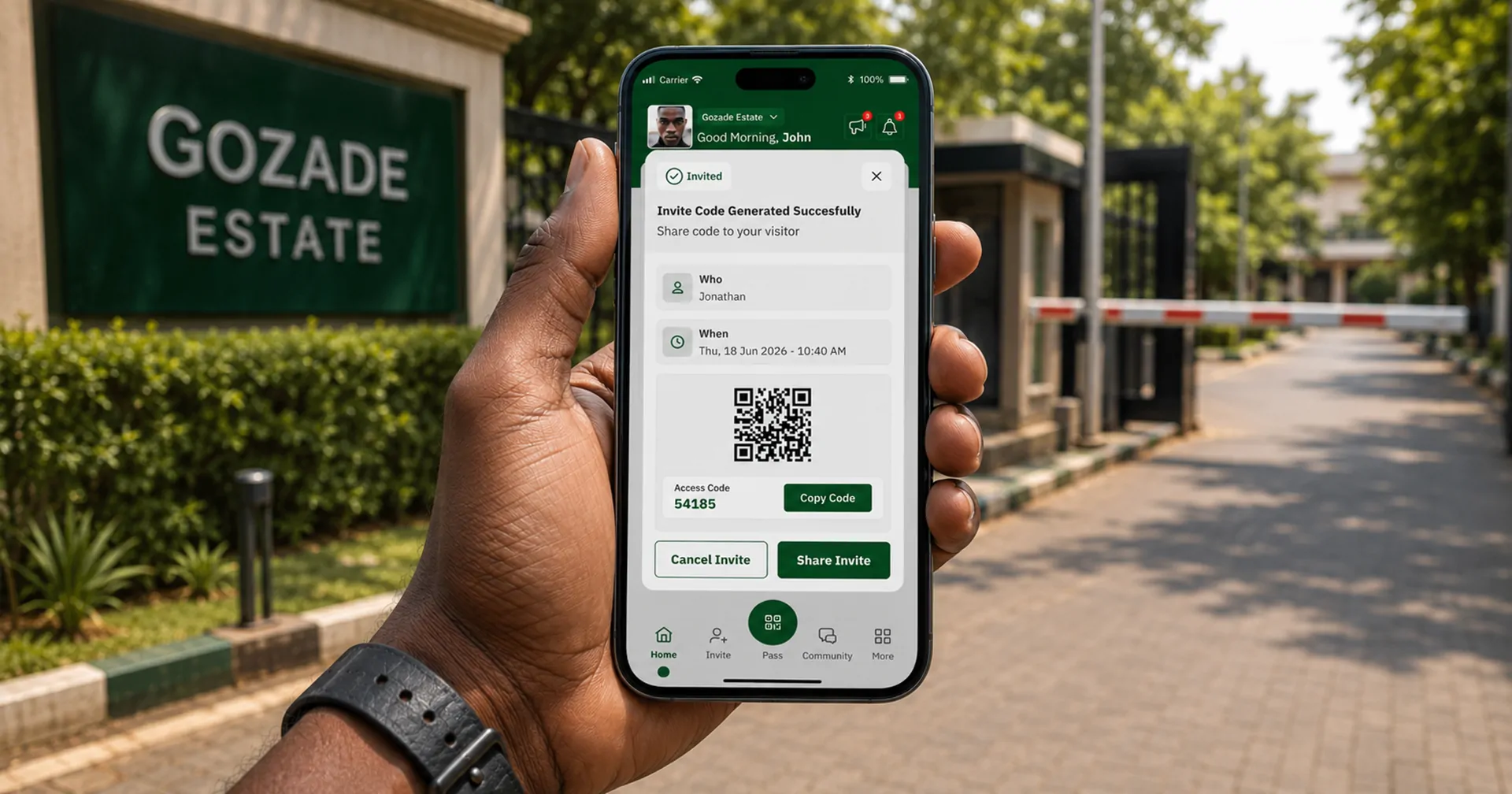
This is where modern tools like the Sylogate Access Control System make a difference. Instead of relying solely on paper logs or memory, Sylogate integrates both single and multiple visitors’ passes, access points configuration, and real-time monitoring into one seamless process. That means fewer chances for human error and a much clearer record of who entered the estate and when.
As a new resident, it pays to get familiar with how access works in your estate, especially if it runs on a digital system like Sylogate. Learn the visitor process, use your entry tags or access codes properly, and don’t treat security checks as an inconvenience. Those few extra moments of verification are what keep intruders out and give you the peace of mind you probably moved into the estate for in the first place.
3. Build Connections with Neighbors
One of the most underrated aspects of estate living is the people next door. Everyone loves the idea of gated estates and regulated access points, but all these do not replace the value of neighbors who actually know and look out for each other. Community spirit becomes a kind of invisible security system that no CCTV camera can replicate.
When residents build relationships, information flows more easily. You hear about unusual activity quicker, you know which visitors are expected, and you’re less likely to ignore something suspicious because it feels “none of my business.” Secure estates often encourage this through WhatsApp groups, resident associations, or simple community events. Those channels aren’t just for sharing birthday wishes or parking complaints; they’re practical tools for collective safety.
Think about it: if your neighbor notices an unfamiliar face loitering near your home while you’re away, a quick call or message could prevent a break-in. That’s cooperative vigilance at work. And the more residents lean into that mindset, the harder it becomes for criminals to find any gaps to exploit.
4. Avoid Complacency Inside the Estate
A trap many new residents fall into is that once they’ve settled in, they assume the estate’s security measures will handle everything. They see the estate guards patrolling, the gates being locked, the cameras rolling. I mean, what’s left to worry about? That false sense of safety is exactly what criminals look for.
Personal vigilance doesn’t stop at the estate gate. You still need to lock your doors, secure your valuables, and think twice before letting just anyone into your home. Deliveries, service providers, or casual acquaintances shouldn’t get a free pass simply because you’re “inside the estate.”
The truth is, complacency creates opportunity. A car left unlocked, a door left open, or valuables in plain sight can undo all the effort management puts into keeping the estate secure. And once a single household slips, it weakens the perception of safety for everyone else too.
Living in a secure estate should give you peace of mind, yes but not an excuse to drop your guard. Security is a two-way affair; the estate provides the infrastructure, and you provide the personal discipline that makes it work.
5. Know and Respect Estate Rules
Every organization runs on rules. Whether these rules are adhered to or not, is another story entirely. Rules may not always be fun, but they are put in place to keep order and safety intact. They may include noise restrictions, property upkeep standards, pet policies, visitor access protocols, and, yes, even where you can and can’t park. These aren’t arbitrary, they exist so everyone can enjoy the same peace of mind without stepping on each other’s toes.
For example, unchecked noise can immediately turn a peaceful evening into a chaotic one, neglected lawns make the community look less secure than it is, and sloppy visitor management can compromise safety. It’s not about what you can tolerate but how your actions affect the collective living experience.
As a homeowner or tenant, respecting these rules is part of your responsibility. Many estates enforce them through management associations or resident boards, and ignoring them often leads to fines or penalties. But beyond enforcement, the real point is cooperation. Rules keep the estate looking good, functioning smoothly, and feeling safe, which is exactly what drew you there in the first place.
6. Use Amenities Responsibly
One of the perks of estate living is access to shared facilities: gyms, swimming pools, parks, playgrounds, clubhouses, or even co-working spaces in some modern setups. They are there to enrich your lifestyle, but they only work well when residents use them responsibly.
Safety guidelines are not just “formalities.” Pools have rules about supervision for a reason. Gyms have etiquette, like wiping equipment after use, to keep things hygienic. When residents ignore these, it doesn’t just inconvenience others, it can also lead to accidents or unnecessary conflicts.
Use amenities the way you’d want others to. . After all, no one wants to live in an estate where the pool is always dirty, the gym machines are broken. A well-maintained estate facility is a result of the combined effort of the management and the resident.
7. Know the Emergency Plan
One thing many new residents overlook is the estate’s emergency plan. No one prays for evil occurrences, hence why it’s easy to assume nothing will go wrong inside a secure estate. But then, whether it’s a fire, medical incident, break-in attempt, or even a natural disaster, you need to know how your estate has prepared to respond.
Most well-run estates have an Emergency Response Plan (ERP) in place. Some even conduct drills or mock exercises so that residents, security, and management all know what to do under pressure. If your estate does this, don’t sit it out, take part. It might feel unnecessary in the moment, but when seconds count, muscle memory can save lives.
With platforms like Sylogate, emergency preparation is getting smarter. It is built right into the way your estate operates. A unique master override code, refreshed every 24 hours, allows residents to safely bypass access points when quick movement in or out is critical. The platform also keeps important emergency contacts, like nearby police, healthcare providers, and other admin-approved services, readily available to residents. That way, you’re not scrambling to find help when you need it most, cos it is literally at your fingertips.
Conclusion
Moving into a secure estate is not just about enjoying the perks of tall gates, uniformed guards, and smooth roads. It’s about stepping into a shared lifestyle. You’re not just renting a house, you’re buying into a community. And communities only thrive when the people in them show up.
Yes, the systems and rules matter. But what really makes the estate feel safe and welcoming is you and your neighbors choosing to look out for each other, respecting the spaces you share, and keeping the culture of security alive.
If you’re new, take this guide as your starter pack. Keep your eyes open, respect the rules, use amenities responsibly, and build connections. Because the day everyone decides to slack off? That’s the day the “secure estate” stops being secure.
So do your bit, and enjoy the peace of mind you came here for. After all, a secure estate isn’t just walls and guards, it’s people working together to protect the lifestyle they love.
FAQs
a) What are the benefits of living in an estate?
Living in a secure estate comes with more than just high walls and gates. You get peace of mind from stronger security, shared amenities like gyms, parks, or clubhouses, better organization thanks to clear rules, and often a stronger sense of community compared to standalone houses. It’s basically a safer, more structured way of living.
b) How does visitor access work in most estates?
Most estates use some form of access control; from visitor logs at the gate to digital passes or apps like Sylogate. Guests usually need approval from a resident before they’re let in, which helps filter out strangers and keep the estate safe.
c) Do I still need to secure my home if I live in an estate?
Yes, absolutely. Estates add a strong layer of protection, but they’re not magic bubbles. You still need to lock your doors, secure valuables, and be mindful of who you let in. Personal vigilance plus estate security is the real win.
d) Who enforces estate rules and what happens if I break them?
Estate rules are usually managed by the homeowners’ association or estate management team. If residents ignore rules (like parking violations or loud parties), warnings are issued first. Repeated violations can lead to fines, restrictions, or in some cases legal action, because the rules aren’t just suggestions, they’re what keep order and harmony.
e) What should I know about emergencies in an estate?
Every estate should have an emergency response plan. With platforms like Sylogate, residents get access to tools like a daily-refreshing override code to move quickly through gates, plus emergency contacts (police, healthcare, admin-approved services) always available in-app. That way, when something goes wrong, you know exactly what to do and who to call.
Tags
Tips and Guides
Updates


SYLOGATE
An Estate Management Software Company.
Simplify complexity and manage multiple residents and visitors from a single platform.