Introduction
Manual gate logs have survived so long, mainly because they look official and are cheaper to implement. A paper visitor register at the gate feels tangible and procedural, giving off an official vibe. For many gated communities, handwritten visitor logs are familiar, low-cost, and easy to deploy without training or technology. Without much reasoning, it appears that access is being controlled and documented. However, manual gate logs create a false sense of security, which is a dangerous proposition because presence does not equal protection. A paper visitor register may record names, phone numbers, or vehicle details, but it does nothing to verify accuracy in real time.
In reality, these manual visitor logs introduce blind spots that modern security threats exploit easily. Today’s estate security risks are not limited to obvious break-ins. They include impersonation, tailgating, and data misuse. Handwritten gate logs were never designed to handle these challenges. They cannot flag suspicious patterns, alert managers, or prevent repeated unauthorized access. This is why manual gate logs security risk often goes unnoticed until something goes wrong. The system is simply not secure enough to deal with modern security threats in gated communities. Here's why traditional logbooks create vulnerabilities and what modern alternatives can do to keep your community truly secure.
1. Human Errors Create Security Gaps
One thing that is worth noting is that any residential security system that relies solely on human consistency will eventually fail. Manual visitor logs are a textbook example of that. Handwritten entries may be illegible or even inaccurate. In many estates, guards work long shifts under pressure, while managing traffic, answering residents, and handling multiple visitors at once. In that moment, speed is of the essence, which makes logging details prone to human errors. That is how gaps are formed.
During busy periods like mornings, evenings, and weekends, missed entries are often common. Visitors are waved through to reduce queues, and the paper visitor register is updated later, if at all. In these moments, estate visitor records no longer reflect reality, which directly weakens gated community security. The issue aggravates when multiple logbooks are used. In some estates, a book is used for guests, while another is used for deliveries and contractors. This can create inconsistency and confusion. Security teams cannot quickly trace who entered, when, or under what authorization.
This is why many people now ask, are manual gate logs safe for gated communities? Well, now you know that systems built on paper are no match for modern estate security challenges.
2. Paper Gate Logs Are Easy to Tamper With or Lose
Paper gate logs lack the integrity needed for any security system. If records can be altered without detection, it defeats the purpose of having an estate security system. Manual gate logs offer no protection against tampering. Pages can be torn out or rewritten with no trace left behind. An insider does not need technical skills to erase their footprint. All they need is access to the logbook and a few seconds of privacy. Unlike digital visitor management systems that create immutable records, handwritten gate logs leave no way to confirm whether entries are original or modified. Modern platforms like Sylogate create permanent, timestamped audit trails that cannot be altered or deleted. This gives estate managers the accountability that paper logs can never provide.
Just like manipulation, loss is another common issue associated with manual gate logs. Paper visitor registers may go missing after being replaced upon getting filled up, or even get damaged by the weather. When this happens, estate visitor records disappear along with them. Without a reliable audit trail, security teams are forced to rely on their memory. This is how gaps in security timelines form, undermining gated community security.
3. Manual Logs Expose Residents and Visitors to Data Breaches
Beyond physical security, one major problem manual visitor logs create is a serious data privacy problem. Sensitive personal information face high risk of exposure through getting lost, being left unattended, and being incorrectly disposed of, as highlighted in studies on data breach risks. Names, phone numbers, home addresses, and vehicle details are commonly recorded in unsecured notebooks at gatehouses. Anyone standing nearby can read them. There is no access control, encryption, or visibility into who has viewed or misused the data.
This exposure makes unauthorized viewing almost inevitable. Visitors can see the information of previous guests, and staff can access data far beyond what their role requires. In worst cases, paper records are photographed or even sold. Research shows that paper documents remain one of the largest sources of data leaks, with 71% of respondents admit to seeing sensitive documents left in public spaces. For estate managers, this creates real trust and liability risks, given that a single data breach involving visitor information protection can damage resident confidence and expose management to legal consequences.
4. Manual Gate Logs Slow Response Times During Emergencies
When an incident occurs in a gated community, the first question usually asked is who was on the property, and when. With manual visitor logs, answering this question is a laborious task. Security guards need to flip through pages of handwritten entries, scanning names, dates, and times, in a high-pressure moment. This is something that is meant to be an instant lookup with a digital estate management system. The lost minutes accrued during this moment matter greatly. During emergencies, these lost minutes delay response time and increase risk. The longer it takes to identify visitor movement, the harder it becomes to contain the situation or provide accurate information to authorities. Manual gate logs were never designed for speed, yet speed is exactly what emergencies demand.
With a digital visitor management system, searching is instant. Security personnel can retrieve visitor histories using timestamps, vehicle details, or access records within seconds. This gives estate managers a critical advantage during investigations, allowing faster decisions and more effective incident response. This contrast highlights the fact that manual gate logs are not designed with emergencies in mind.
5. Tailgating Thrives in Manual Gate Security Systems
One of the most common and underestimated security risks in gated communities is tailgating and piggybacking. It happens when an unauthorized vehicle follows closely behind an authorized one through a gate, gaining access without verification. People often tailgate during busy times of the day so as to slow their wait time at the gate. Manual systems can only record what guards actively approve; they cannot verify every vehicle that passes through.
Human limitations make the problem worse. Guards cannot physically monitor every angle, especially when traffic is heavy. They are speaking to residents, answering calls, managing deliveries, and updating paper visitor registers all at the same time. In that environment, distraction that leads to tailgating is almost unavoidable.
Paper gate logs also fail structurally because they record approvals, and not breaches. A visitor logbook may show that one vehicle was authorized, but it will never reflect that two vehicles entered. There is no automated counting or cross-verification. This is exactly why tailgating remains one of the most exploited access points in residential security systems.
Conclusion
Manual gate logs, although familiar and inexpensive, create serious safety risks that poses a threat to resident living. As this article has shown, paper-based visitor registers introduce systemic weaknesses that jeopardize estate security. These weaknesses may arise from human error and record tampering to data privacy risks, slow emergency response, and tailgating. A security system that cannot verify access, preserve records, protect personal data, or respond quickly during emergencies is a liability that leaves community vulnerable.
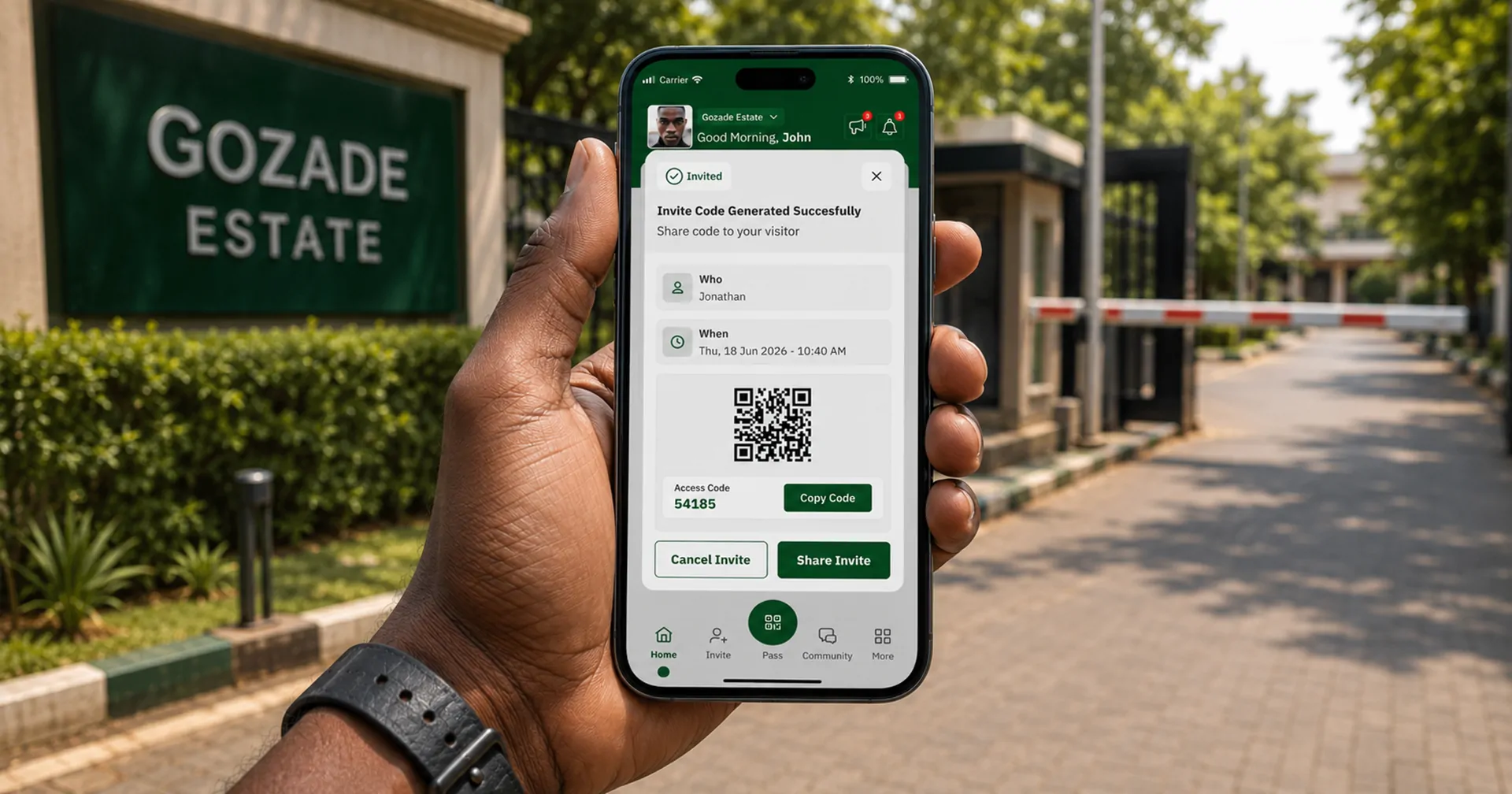
Digital visitor management systems exist precisely to address these gaps. With tamper-proof records, real-time visibility, pre-authorized access, and instant searchability, modern solutions like Sylogate's estate management platform combat security risks that paper logs cannot handle. Little wonder why forward-thinking estates are moving away from manual gate logs and adopting digital gate access systems. If you're ready to upgrade your estate security with a solution built for modern threats, explore how Sylogate can help eliminate security threats while improving resident experience and operational efficiency.
Tags
Tips and Guides
Updates


SYLOGATE
An Estate Management Software Company.
Simplify complexity and manage multiple residents and visitors from a single platform.