Featured
Top 5 Estate Security Threats in Nigeria, and How to Prevent Them

Oluwadamiloju Oreofe
2025/08/11
Estate security in Nigeria is under serious pressure. Despite the high fences, gated estate entrances, and uniformed guards, many estates across the country are still vulnerable to a wide range of threats; from armed robbery and kidnapping to cyberattacks and poor emergency response. In some cases, even the most expensive estates fall short of basic safety protocols.
As real estate and urban development continue to boom, especially in cities like Lagos, Abuja, and Portharcourt, more Nigerians are opting for estate living, influenced by the promise of structured communities and enhanced protection. But it goes without saying that with growth comes a certain level of vulnerability. The rise in estate development has also led to an increase in smarter criminals, who look to bypass outdated systems, and exploit lapses in estate security management, surveillance, and resident awareness.
The reality is that without proactive planning and investment in comprehensive estate security systems, even the most luxurious properties can become easy targets. In this article, we discuss the top 5 security threats currently facing Nigerian estates and, more importantly, how to prevent them.

1. Armed Robbery and Theft
The Threat
Armed robbery and property theft still remain one of the most prevalent security issues plaguing Nigerian estates. It is being blamed on the dwindling economic fortunes of the majority and the widening gap between the affluent and the poor in our society, leading to violent crimes especially armed robbery.
These crimes aren’t just random, they are often well orchestrated, sometimes with insider help from staff or security personnel. Poor lighting, broken fences, and blind spots in surveillance coverage turn many gated communities into open invitations for criminals.
Thieves typically target areas with high traffic and low visibility, such as back entrances, poorly lit streets, or estates without CCTV with remote monitoring. The illusion of safety is dangerous, especially when estates rely solely on manual checks and untrained guards.
Prevention Strategies
Protecting your estate starts with creating real barriers, both physical and technological.
- Reinforce perimeter security with anti-climb fencing and solid boundary walls.
- Install motion-sensor security lights to eliminate dark zones where intruders hide.
- Deploy estate surveillance cameras with night vision and cloud storage for real-time monitoring and evidence retrieval.
- Hire professional, well-trained security personnel who understand patrol routines, escalation procedures, and resident protocols.
For added protection, some estates now adopt automated estate security systems with smart home integration, combining alarms, motion sensors, and access logs all in one interface. It’s 2025, if your estate still runs on “gong and whistle” security, you’ve already been left behind.
2. Kidnapping and Banditry
The Threat
There was a time when kidnapping used to be a rural problem alone. That time is now behind us, with it being a national issue right now. From high-profile abductions in elite Lagos estates to violent bandit raids on semi-urban communities in Kaduna and Delta, the threat keeps growing. Residents in estates are usually perceived to be wealthy, which unsurprisingly make them prime targets to kidnappers. Estates without strict access control, active surveillance, or resident coordination are the most at risk.
Criminals exploit familiarity. Delivery men, fake visitors, or even loosely vetted domestic staff can double as informants. And unfortunately, even “gated” doesn’t mean “guarded” anymore.
Prevention Strategies
Defense against kidnapping requires layered security and community participation.
- Enforce gated access using biometric access systems, smart entry gates, or visitor access cards backed by dual-factor authentication.
- Promote a neighborhood watch culture where residents actively report suspicious behavior and share verified updates.
- Integrate panic alert systems that link directly to estate guards and nearby law enforcement. These systems are part of the new wave of smart estate security solutions with real-time alerts and geolocation.
- Train residents on personal safety and emergency protocols, from identifying red flags to knowing who to contact in the first five minutes of a threat.
With rising security concerns, it is beyond doubt that most estates will look to beef up their security by investing in estate security alarm systems with real-time alerts and remote emergency management capabilities, offered by platforms like sylogate. It is no longer just about keeping people out, it’s about responding instantly when things go south.
3. Inadequate Emergency Response
The Threat
A gated estate can have million-naira homes, marble staircases, and electric gates, but one fire outbreak or medical emergency can expose just how fragile everything really is. For example, in 2024 alone, Lagos State recorded over 1,600 emergency incidents, with over 260 of them being fire outbreaks. In many Nigerian estates, delayed emergency response is still a big problem. Lack of coordination, poor internal communication, and zero preparedness turn minor incidents into full-blown disasters. When you include unreliable infrastructure: dead intercoms, unmanned gates, or estate guards who double as mechanics, you have got a ticking time bomb waiting to explode.
Estates without estate security alarm systems or clear emergency plans are as underprepared as they are irresponsible.
Prevention Strategies
Fast, coordinated response can be the difference between damage control and total chaos.
- Set up direct emergency hotlines that connect residents directly to local police, fire service, and hospitals.
- Install panic buttons and emergency alarms at strategic locations, especially in common areas and gatehouses.
- Conduct estate-wide emergency drills, fire simulations, CPR workshops, and evacuation exercises to build instinctive resident responses.
- Create a visible, easy-to-understand emergency response plan that includes evacuation routes, muster points, and emergency contact signage across the estate.
Top-tier estates are now adopting estate security systems with 24/7 professional monitoring, ensuring incidents are detected, verified, and acted upon within seconds. Because when it comes to emergencies, speed could mean survival.

4. Poor Security Management & Outdated Systems
The Threat
A security system is not about having ten guards pacing to-and-fro the estate with batons and walkie-talkies while having outdated systems in place. Many estates in Nigeria still operate like it’s 2003: manual logs, untrained staff, zero accountability, and no performance review structure. This gap in professional security management creates loopholes that intruders exploit.
Estates that fail to invest in automated estate security systems with smart home integration, access point control, digital access logs, or proper personnel vetting often find themselves reacting to incidents instead of preventing them.
Prevention Strategies
Times are changing; It’s time to ditch outdated systems and level up.
- Hire certified, reputable estate security companies with a track record, not just any uniformed crew.
- Schedule regular security audits and vulnerability assessments to catch weak points before criminals do.
- Integrate smart security technologies like smartphone-based access control, license plate recognition, and real-time surveillance analytics.
- Establish a vetting system for all personnel, including cleaners, gardeners, and contractors. Every unknown face is a potential risk.
Bolstering estate security is a must for all estates looking to keep up with the current times. Estate security systems with real-time video analytics and facial recognition, technology that doesn’t blink, doesn’t sleep, and doesn’t take bribes.
5. Cybersecurity Threats
The Threat
Real estate today is going digital; from biometric gate entries and smart intercoms to online billing platforms and cloud-based surveillance. While this technology makes life easier, it also opens the estate to cybercrime. Nigerian organizations are already bracing up for a significant increase in cyberattacks. Check Point Software reports that in Q1 2025, Nigerian companies experienced an average of 4,388 weekly attacks, marking a 47% rise compared to the previous year.
Hackers are no longer just targeting banks or big corporations. They've figured out that many estates run poorly secured digital systems, making them soft targets for data theft, surveillance hijacking, or operational sabotage. From unauthorized access to residents' personal information to hackers disabling estate surveillance cameras or tampering with estate access control systems. The risk is rising.
A breach in estate technology doesn’t just affect files or videos. It compromises trust, safety, and even physical security.
Prevention Strategies
Digital safety is now just as important as physical barriers, and needs to be treated that way.
- Use secure, regularly updated platforms with proper firewalls, two-factor authentication, and patch management systems.
- Train both residents and staff on cybersecurity basics, including password hygiene, phishing awareness, and identifying suspicious activity.
- Encrypt all sensitive data: billing records, gate access logs, surveillance footage, and store secure cloud backups.
- Conduct scheduled cybersecurity audits and penetration testing to ensure the estate’s digital defenses are battle-ready.
Remember, if your gate is secure but your server is wide open, your estate isn’t safe, it just appears to be.
Conclusion
The security threats facing Nigerian estates today aren’t just rumors or headlines for sensationalism; they are actively lurking around every estate gate. Armed robbery and theft are menaces affecting poorly lit streets and unmonitored corners. Kidnapping and banditry have crept beyond highways into our own gated communities, especially in semi-urban zones where vigilance is thin. Emergency response remains alien in many estates, where chaos creeps in due to delayed action. Poor security management continues to plague estates that rely on outdated systems and untrained guards, turning safety into a gamble. And now, with the rise of smart estates and digital platforms, cybersecurity has entered the chat; hacking into what used to be untouchable.
Like the popular saying goes, “prevention is better than cure.” The estates that stay ahead are the ones that think beyond the gatehouse and treat safety like a matter of urgency that it truly is. Is your estate secure enough? If you even have to pause before answering, then it’s time to act. Because in today’s Nigeria, hoping for safety isn’t enough. You build it, you enforce it.
Frequently Asked Questions (FAQ)
1. Can estate security systems be monitored remotely?
Yes, estates can absolutely be monitored remotely. Platforms like Sylogate empower residents and managers to view live visitor and gate activity, incident alerts, and access logs via mobile and web apps from anywhere and anytime.
2. What features should an effective estate security system have?
An effective system includes seamless digital access control (QR‑code or biometric passes), visitor management, real‑time entry logs, incident reporting, access points control, and instant security alerts. Sylogate’s resident and staff apps offer these features, plus multi‑estate support to ensure full control and visibility across the community.
3. How long does installation of an estate security system typically take?
Installation timelines vary by estate size and complexity. Most professional setups, including access control panels, visitor onboarding, staff training, and integration with resident apps, can be completed in a few weeks to a month.
4. What maintenance is required for estate security systems?
Regular maintenance includes software updates, incident log reviews, system health checks, and user access audits.
5. How do security gates and access control systems work in estates?
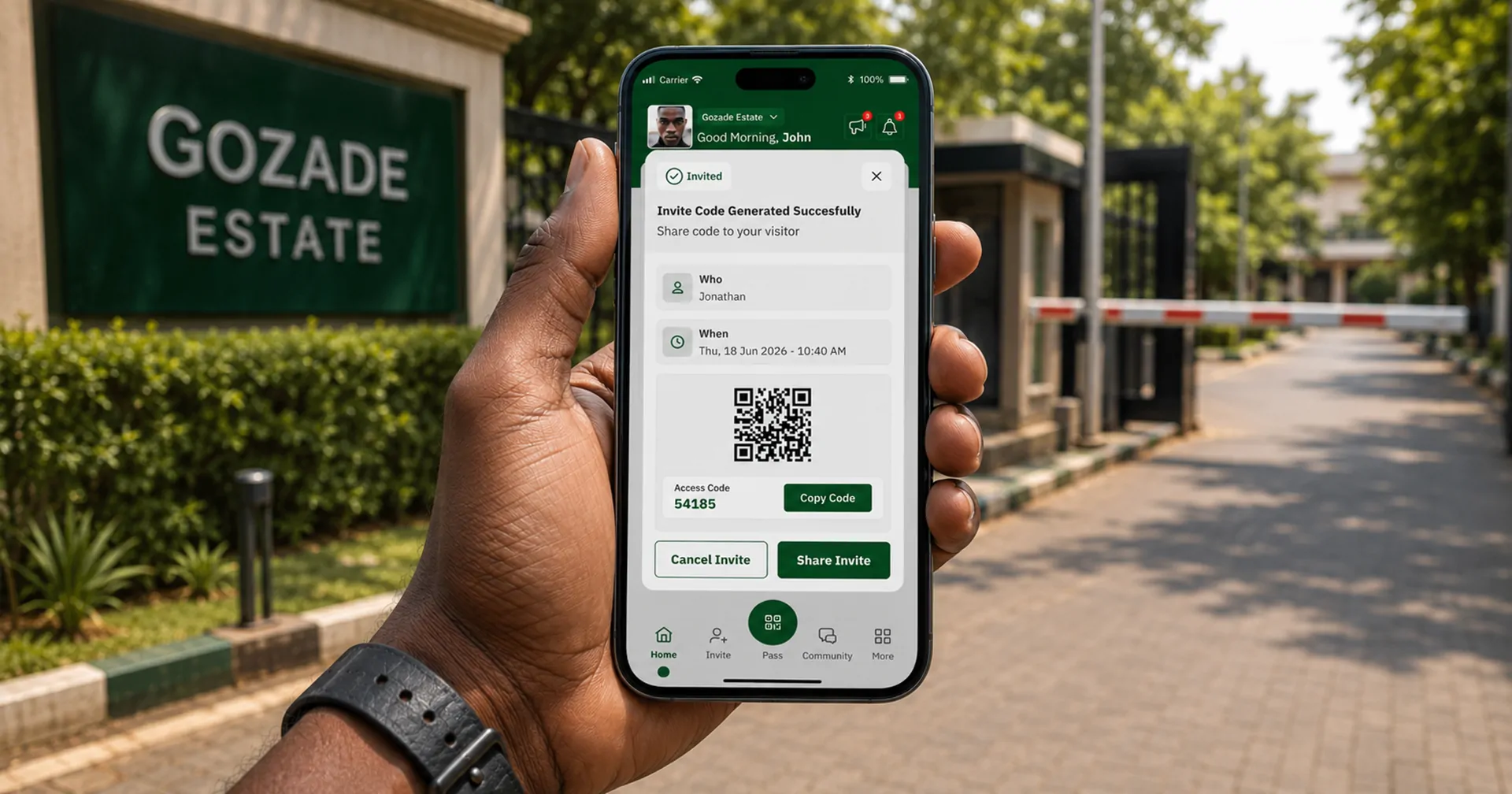
Security gates integrated with platforms like Sylogate use QR or access codes, visitor passes. Residents can issue time‑limited digital passes from the app; guards scan to verify access; every entry attempt is logged in real time.
Tags
Tips and Guides
Updates


SYLOGATE
An Estate Management Software Company.
Simplify complexity and manage multiple residents and visitors from a single platform.